Energy transformation in Poland
Energy transformation in Poland - Interview with Piotr Sprzączak, Development Director at Veolia Energy transformation in Poland - is it possible to accelerate this process? How to meet legal requirements and what should the future energy management in buildings look like?
An interview with Piotr Sprzączak, development director, member of the management board of Veolia ESCO, about the future of energy and heat management in buildings.
How can the ecological transformation in energy and heat management in buildings be accelerated in the context of the upcoming changes in the law on energy efficiency of buildings?
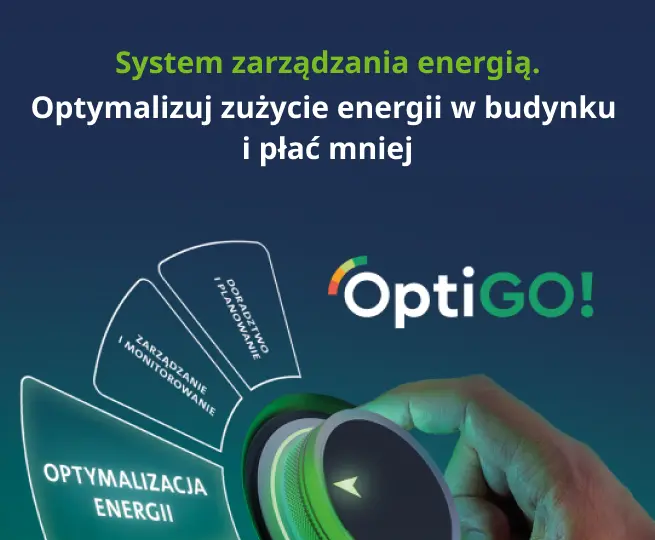
Piotr Sprzączak: The future of energy management in buildings is shaped by two main forces: technological innovation and regulatory changes. Energy efficiency in Poland poses many challenges to which Veolia, as a leader in the field of sustainable development, effectively responds by introducing the OptiGO! system. This is our flagship product that uses the latest technologies, such as big data analytics, to optimize thermal energy consumption in buildings. Our solution not only contributes to reducing CO emissions2 and reducing operating costs, but also supports clients in adapting to a number of new European regulations adopted as part of the Fit for 55 package, such as the directive EPBD introducing energy efficiency requirements for new and renovated buildings and directive EDI setting out a framework for action to improve energy efficiency in the EU.
How does the above building energy management system fit into these changes and how can it help property managers and owners?
Piotr Sprzączak: At the heart of the OptiGO! system lies an advanced algorithm that analyzes data in real time from sensors located throughout the building. This allows for precise adjustment of heat supplies to the actual demand and the use of the building's thermal inertia, which is consistent with the requirements of the EPBD and EED directives. The system is designed with the future in mind, so we are already taking into account the possibility of integrating with new heat sources and managing them in real time in order to optimize costs for residents, which will be crucial in the context of future regulations that will require even higher energy efficiency of the building.
What makes this system stand out from other available solutions?
Piotr Sprzączak: The key element of the system is its modularity and scalability. This system has been designed to be adapted to the specifications of any building, regardless of its size or purpose. With remote monitoring and real-time adjustment capabilities, OptiGO! enables not only adaptation to current conditions, but also flexible management of changes that may occur in the future. Thanks to integration with Hubgrade, our Energy Management Center, we can additionally monitor and optimize energy consumption. We plan to expand the functionality of OptiGO! with new, innovative modules, such as intelligent management of renewable energy and integration with electromobility. This comprehensive approach, combined with our experience in the energy sector, makes OptiGO! a unique solution that can actually support property owners and managers in achieving significant financial savings while reducing their carbon footprint.
Would you say that this system is an example of how Veolia translates its global experience into local sustainability strategies?
Piotr Sprzączak: Using our global presence and many years of experience, we adapt best practices and innovations to the local needs and specifications of the markets in which we operate. In Europe, where energy efficiency is regulated by particularly restrictive regulations, our strategies focus on integrating advanced technologies, such as OptiGO!, with local energy systems. This allows us to offer solutions that are the best answer to the question of how to improve energy efficiency. They are not only effective, but also fully adapted to the specific regulatory and environmental requirements of each country.
What do you think energy efficiency will look like in the coming years in terms of the development of energy services in Poland?
I'm an optimist. Poland's energy transformation faces many problems due to its unique energy mix, related to the historical availability of coal. As a result, the rate of non-renewable primary energy input in buildings is high. At the same time, work is underway on the transformation of the heating sector, but it is a long-term process and the costs of any delays will ultimately be borne by the residents. Our solution is now available - increasing energy efficiency using our system can bring real savings. Extending the EU ETS to buildings will only support pro-efficiency solutions.